

Why you definitely need breakdown cover for towing your caravan


Contact us on0800 975 2931
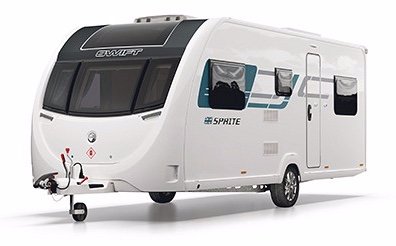
Buying a caravan is an exciting investment, whether it’s for weekend adventures or long-term travel. But as with any significant purchase, there are some potential risks involved. Scammers and unscrupulous sellers can make the process stressful, costly, and even dangerous if you’re not careful. However, with a few precautions and a bit of research, you can protect yourself and make a safe, confident purchase. Let’s take a look at how to do just that.
Before even stepping foot in a dealership or viewing a private sale, do your homework! Research the make and model you’re interested in, the typical market prices, and common issues known to certain makes. Knowledge is power, so understanding the average cost of a caravan will help you spot deals that seem too good to be true, which some may be.
Whenever possible, buy from established dealerships or well-known platforms. These sellers are more likely to follow legal obligations, provide warranties, and be accountable if something goes wrong. If you are considering going for a private sale, perhaps from eBay or similar, check the seller’s sales history and feedback.
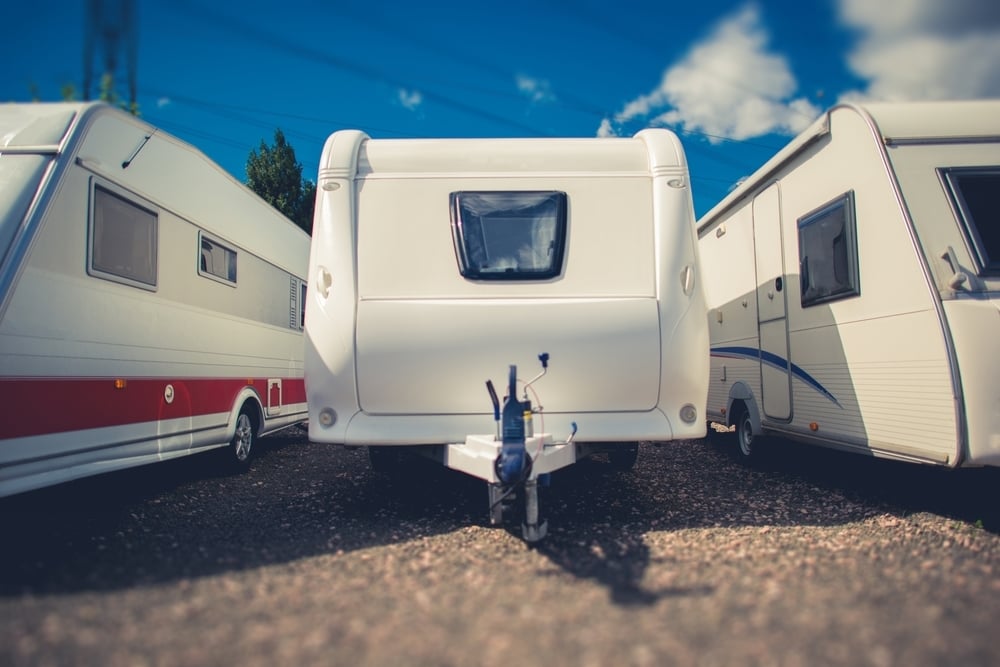
A visual and physical inspection is really crucial. Check for signs of water damage, any warping, structural issues, or mechanical problems. Make sure the doors, windows and appliances are working properly. Consider hiring a professional surveyor who specialises in caravans - a small investment upfront could save you thousands later.
Some people walk straight past obvious warning signs because they assume a seller with a charming story or lots of good photos must be genuine. There are a few initial things to look out for, such as a seller being unwilling to show you the caravan in person; not letting you take it for a tow; rushing you to put down a deposit; dodging straight answers, or offering a price that’s way below the market value, for example. Any of the above could constitute a set up, so treat these as deliberate signs that something is off until proven otherwise.

Always ask to see the caravan’s documents, service history, and any warranties. Ensure the Vehicle Identification Number (VIN) on the caravan matches the documents and hasn’t been tampered with. Be wary of sellers who are reluctant or vague about providing you with the associated paperwork.
Never pay in full before seeing the caravan in person and confirming the legitimacy of the sale. Be cautious of any seller who pressures you into paying via unconventional methods - these are common tactics in scams. Bank transfers could offer little protection, and of course cash is even worse. Be wary of payment requests via services such as Western Union, or being told that you are automatically protected by PayPal or similar - do your research first to see what would happen in the event of an issue arising about payment.
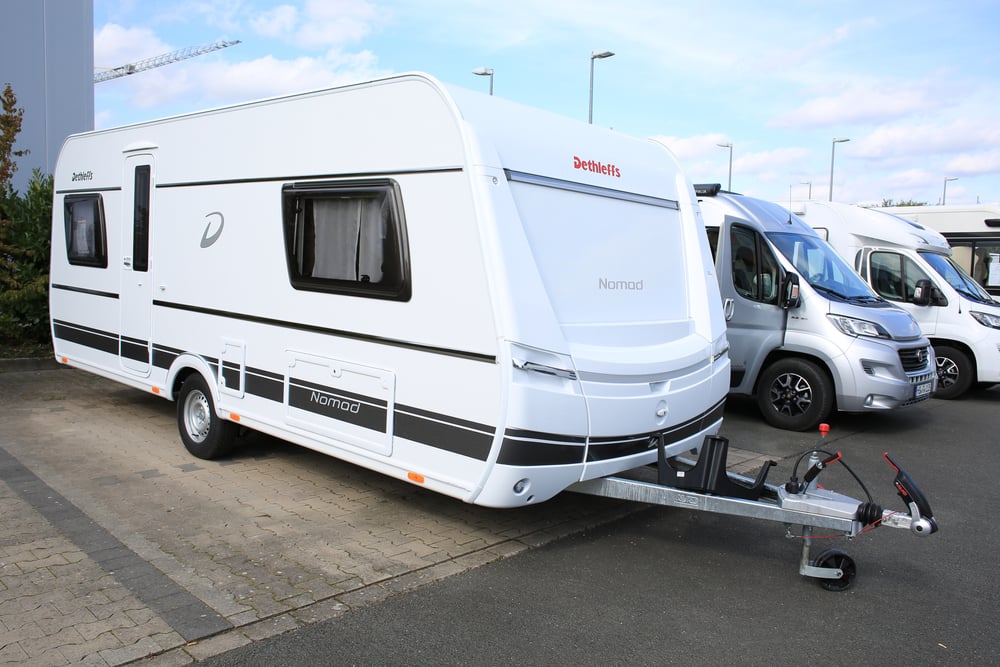
If something feels off, it usually is. The biggest mistake buyers make is trying to rationalise their doubts because they’ve already pictured themselves owning the caravan, and that could blind them to the risk. Walking away doesn’t cost you anything, but ignoring your instincts can cost you every penny you’ve set aside for the purchase. Any pressure to buy quickly, or a reluctance to answer questions, or indeed deals that are far below market value are likely red flags. Take your time, ask the right questions, and don’t be rushed into a purchase.
Buying a caravan should be an exciting step towards your new adventures, not a stressful or risky ordeal. By doing your research, verifying the documents, inspecting it thoroughly, and trusting your instincts, you can avoid scams and enjoy peace of mind with your lovely new purchase.
Why you definitely need breakdown cover for towing your caravan
Why I secretly love the smell of a damp caravan
How to avoid being scammed when buying or selling a caravan: A guide to safe transactions
