


The history of the Coachman caravan


Contact us on0800 975 2931

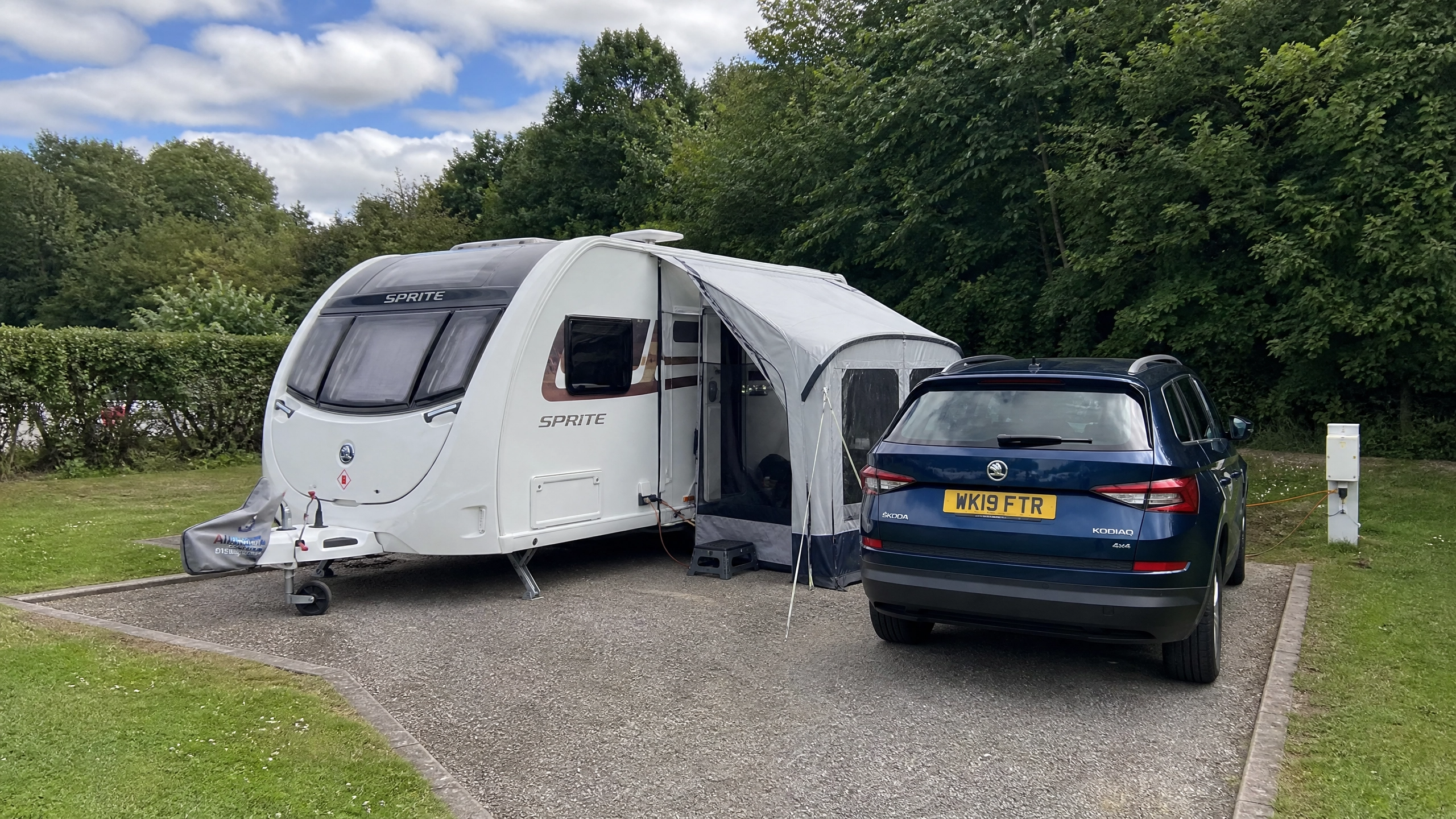
Living full time in a caravan is a dream for many. The idea of waking up to a new view every week, shedding the weight of a traditional mortgage, and embracing a simpler, more nomadic lifestyle is incredibly appealing. However, as with any major life decision, the financial reality requires careful consideration. While you might be escaping the traditional housing market, full time caravanning introduces a unique set of expenses that can catch the unprepared off guard.
In this comprehensive guide, I am going to break down the true costs of living full time in a caravan in the UK. We will examine the major expenses such as site fees and insurance, delve into the necessary maintenance costs, and uncover the hidden financial realities of life on the road. Whether you are considering a permanent residential park or planning to tour continuously, understanding these figures is crucial before you hand in your notice and hitch up for good.
Site fees and pitch costs
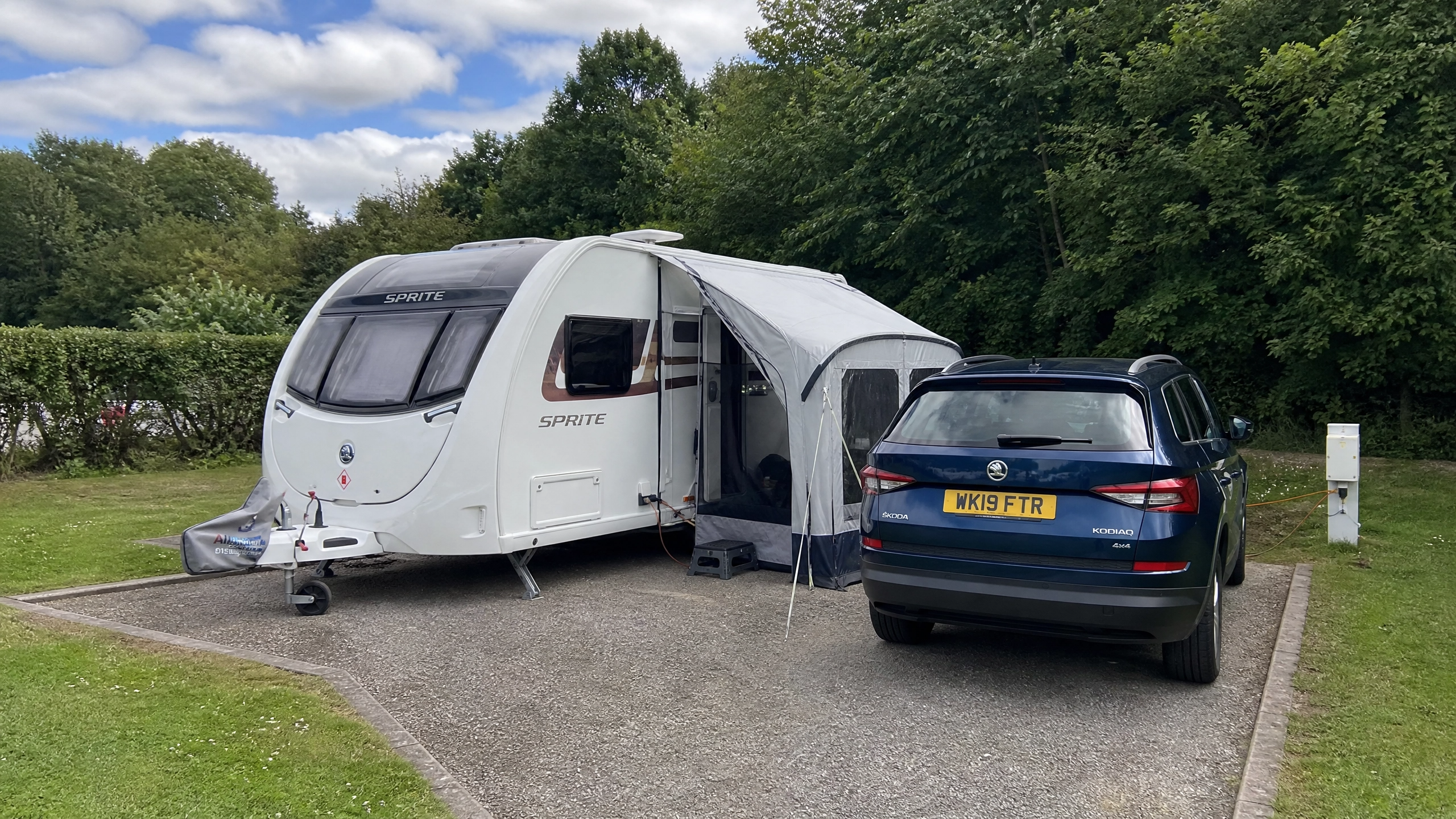
The single biggest ongoing expense for anyone living full time in a caravan is where you actually park the thing. If you choose to settle on a residential park, you can expect monthly pitch fees to range between £150 and £250, which works out at roughly £1,800 to £3,000 annually. These fees typically cover the right to keep your caravan on the land and may include basic site maintenance such as road upkeep and communal area care, but they rarely cover utilities. Some of the more desirable parks in southern England or coastal locations push well beyond this, with fees of £3,000 to £5,000 not uncommon for premium pitches.
For those who prefer a touring lifestyle, moving between campsites rather than settling in one spot, the costs are structured very differently. Nightly rates at UK campsites currently average between £25 and £50, depending on location, season, and facilities. If you are touring full time and paying nightly rates throughout the year, this can easily amount to £9,000 to £18,000 annually. That is a staggering figure, and one that catches many aspiring full timers off guard. The smart money is on negotiating long term seasonal pitches, which typically cost between £1,000 and £2,500 for a full season, or utilising club memberships like the Caravan and Motorhome Club where members save £15 per night on site fees. A combination of seasonal pitches, Certificated Locations (which are often cheaper at £10 to £20 per night), and the occasional wild camp where legal can bring touring costs down to a more manageable £4,000 to £7,000 annually.
Council tax and utilities
A common misconception is that living in a caravan somehow exempts you from council tax. I hear this one constantly, and the reality is rather different. If your caravan is your primary residence, you are legally required to pay council tax. It does not matter whether you are on a residential park or have your caravan on private land. Most residential caravans fall into Band A, which is the lowest council tax tier. For the 2025/2026 tax year, Band A council tax typically ranges from £1,350 to £1,600 annually depending on your local authority. If you are a single occupant, you are entitled to a 25% discount, bringing this down to around £1,000 to £1,200. Full time tourers who do not have a fixed base may technically avoid council tax, but this creates complications with registering for a GP, voting, and other administrative necessities.
Utilities represent another essential cost that many people underestimate. Heating a caravan through a British winter is no small feat, and it relies heavily on LPG gas. A standard 13kg Calor propane cylinder currently costs around £52.50 to refill. In the colder months, November through to March, a full time resident can easily burn through one to two bottles a month, adding £50 to £105 to the monthly budget just for heating and cooking. Over a full year, gas costs for a full time resident typically land between £400 and £800. Electricity on campsites is usually metered at around 34p per kWh, which is comparable to domestic rates but adds up quickly if you are running heaters, charging devices, and using a television. Water and sewerage rates, if not bundled into your pitch fee, can add another £100 to £200 annually on residential parks.
Insurance
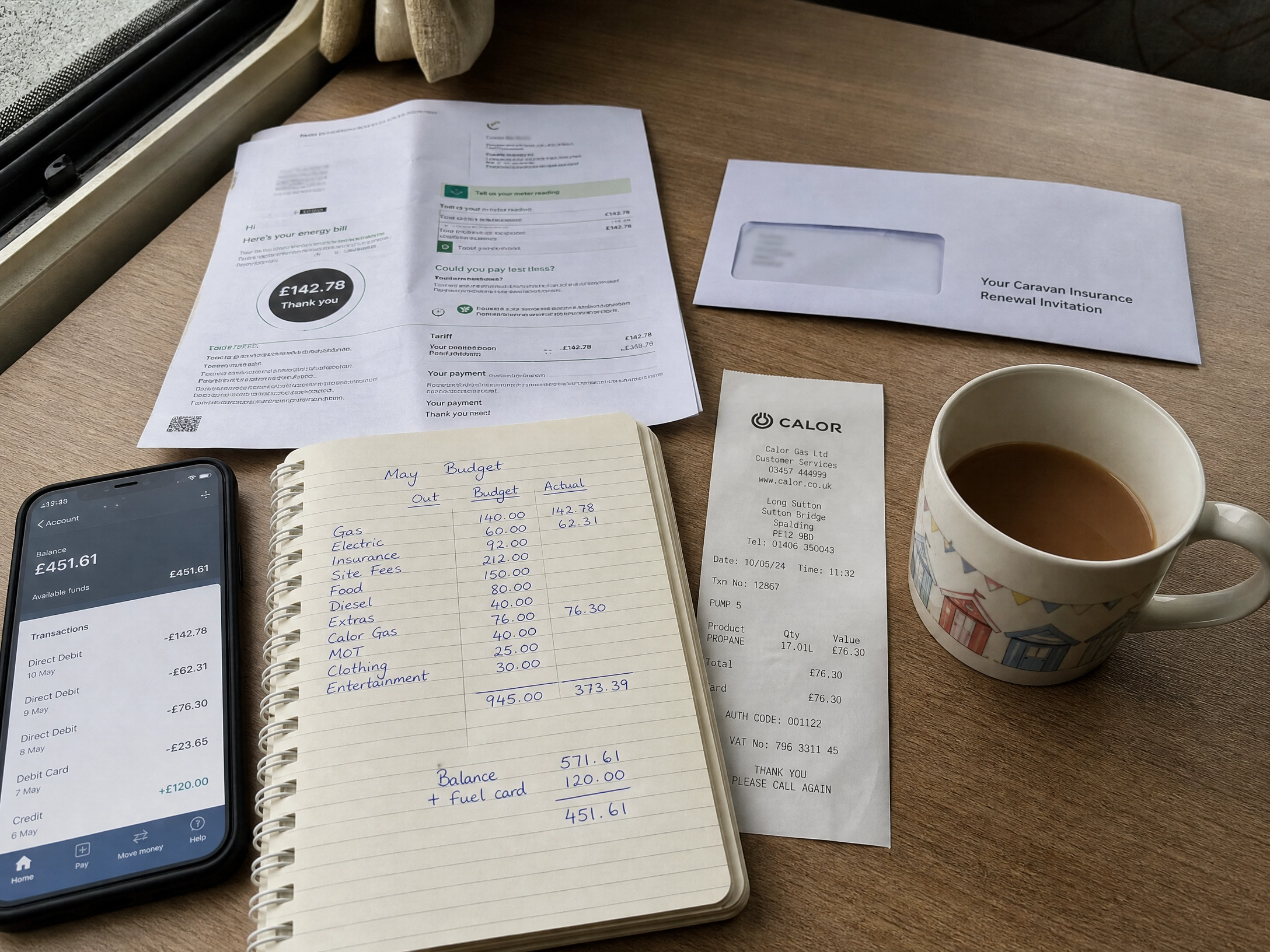
Protecting your investment is essential, and this is one area where I would strongly advise against cutting corners. While caravan insurance is not a legal requirement in the UK, it is highly recommended and often mandatory if you have used finance to purchase the caravan or if you stay on official club sites. For a touring caravan, annual premiums generally range from £150 to £400, depending on the value of the caravan, your security measures, and your claims history. Here is the critical point though: full time use must be declared to your insurer. Many standard policies are designed for recreational use only, and if you fail to disclose that the caravan is your permanent home, any claim could be invalidated entirely. Specialist full time cover tends to sit at the higher end of that range, typically £250 to £400 per year.
Do not forget that your tow vehicle also needs appropriate insurance. If you are living on the road full time, your car insurance must reflect the increased mileage and the fact that you are towing regularly. This can add £50 to £150 to your annual car insurance premium compared to a standard commuter policy. Contents insurance for your belongings inside the caravan is usually included in caravan policies up to a limit of around £5,000, but if you have valuable items, you may need to increase this cover for an additional premium.
Depreciation
Depreciation is the silent cost of caravan ownership that nobody likes to talk about, but it is very real. Much like cars, caravans lose value from the moment you take ownership. A new touring caravan will typically depreciate by approximately 20% in its first year. After that initial hit, the rate slows to about 15% annually until the caravan reaches ten years old. Beyond a decade, depreciation slows further to between 5% and 10% per year. To put this in practical terms, a caravan purchased new for £25,000 could be worth around £20,000 after year one, £17,000 after year two, and roughly £8,500 by year five. Buying a quality used caravan that is three to five years old is one of the most effective ways to reduce this cost, as someone else has already absorbed the steepest depreciation.
|
Year |
Approx. depreciation rate |
Value of a £25,000 caravan |
|
1 |
20% |
£20,000 |
|
2 |
15% |
£17,000 |
|
3 |
15% |
£14,450 |
|
5 |
15% per year |
£10,440 |
|
10 |
5 to 10% per year |
£6,500 to £8,000 |
Maintenance and servicing
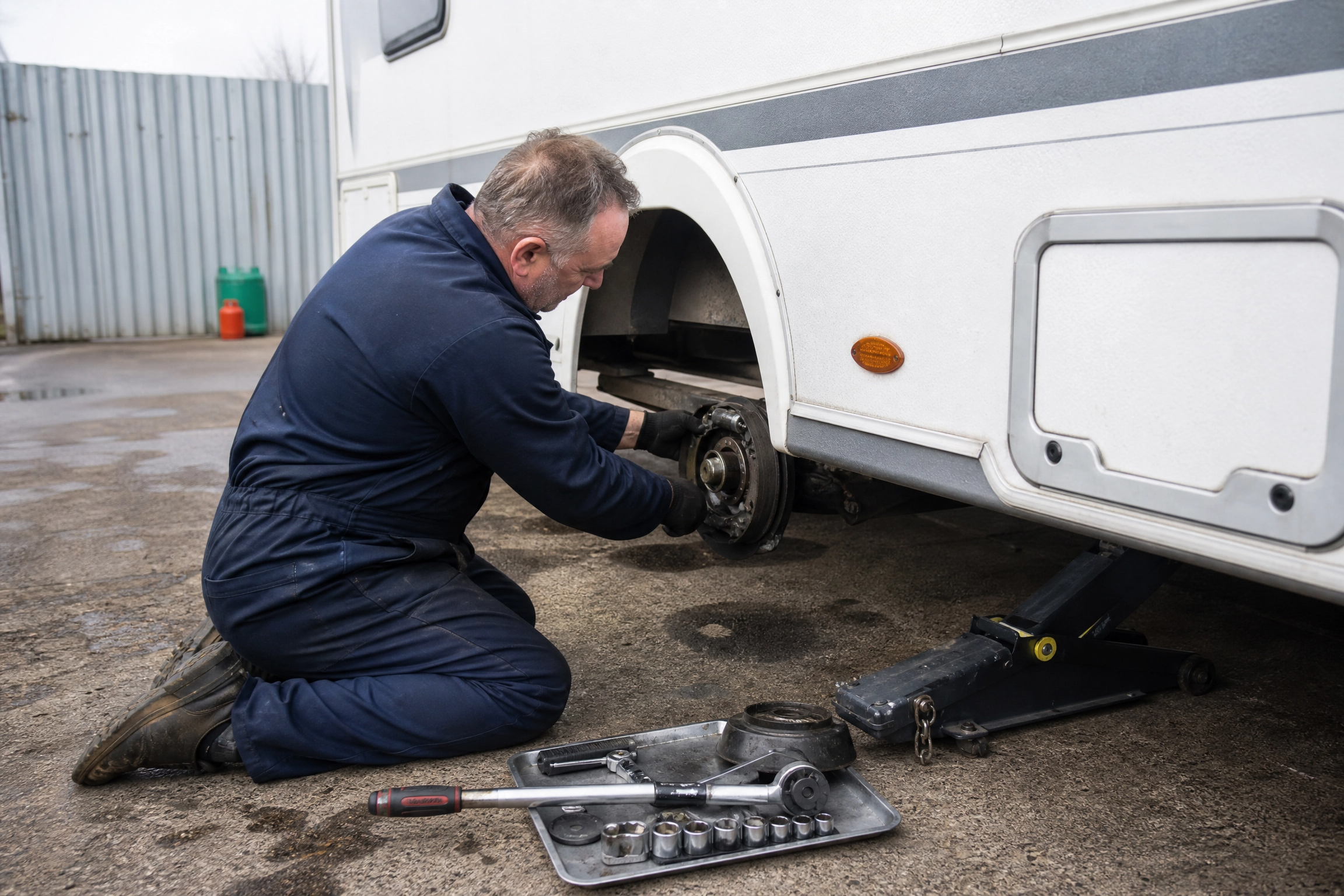
A caravan is a surprisingly complex thing. It combines automotive mechanics with domestic plumbing, gas systems, and 12V/240V electrical circuits, all crammed into a lightweight structure that gets bounced along British roads. Regular maintenance is not optional if you want to stay safe and keep your home in good condition. An annual full service, which checks the chassis, running gear, brake mechanisms, and towing equipment, typically costs between £200 and £350 depending on the engineer and your location.
In addition to the mechanical service, an annual habitation check is crucial. This is a separate inspection that examines the gas system for leaks, tests the electrical installations, checks the water system, and critically, tests for damp ingress. Damp is the single biggest killer of caravans, and catching it early can save you thousands in repair bills. A habitation check usually costs between £150 and £290. For full time residents, I would argue this is even more important than for occasional users, because your caravan is being subjected to year round weather exposure rather than sitting in dry storage for most of the year. Caravan tyres are another expense that catches people out. They must be replaced every five to seven years regardless of tread depth, because the rubber compound degrades with age and UV exposure. A set of quality caravan tyres costs from £40 to £80 each, plus fitting.
Fuel and tow vehicle costs
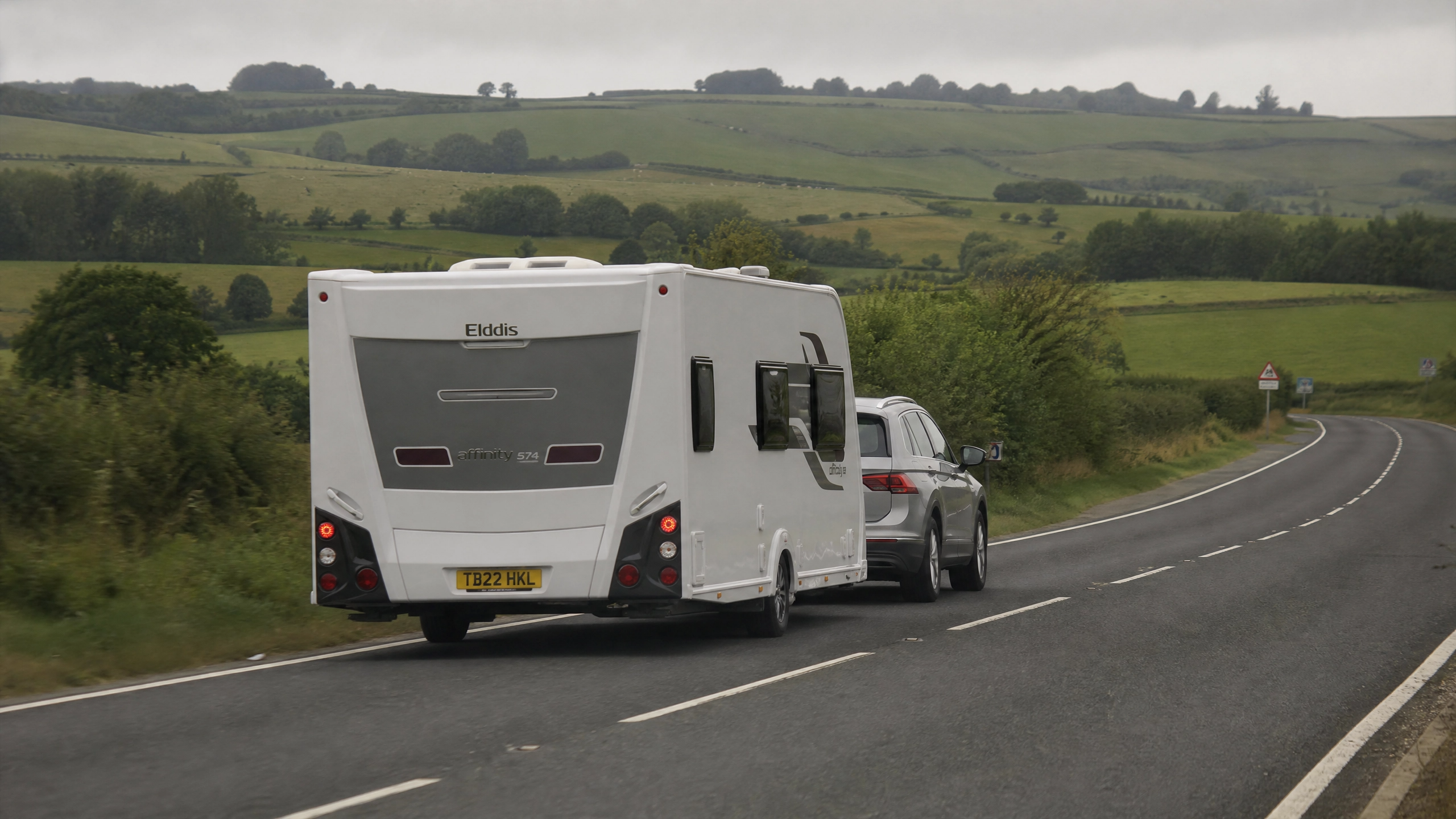
If you are touring rather than staying put on a residential park, the impact on your fuel bill is substantial and unavoidable. Towing a caravan reduces your vehicle's fuel efficiency by anywhere from 20% to 40%, depending on the weight of the caravan, the terrain, and driving conditions. A car that normally achieves 45 miles per gallon might drop to 28 to 32 mpg when towing. At current fuel prices of around £1.40 per litre for diesel, this translates to a significant additional cost for every mile travelled. If you are covering 10,000 miles a year while touring, the extra fuel cost compared to driving solo could easily be £800 to £1,200 annually.
Your tow vehicle itself incurs additional wear and tear from regular towing. Clutches wear faster, brakes need replacing more frequently, and the engine and transmission are under greater strain. You should budget for more frequent servicing intervals and expect to replace wear items sooner than you would with normal driving. The tow car also needs its own MOT, road tax, and insurance, which together can easily add £1,500 to £2,500 per year to your outgoings depending on the vehicle. This is a cost that many people overlook when calculating their full time caravanning budget because they already own the car, but it is a real and ongoing expense that must be factored in.
The hidden costs nobody warns you about
Beyond the obvious headline expenses, full time caravanning involves a collection of smaller costs that individually seem manageable but collectively make a real dent in your budget. Without a permanent address, you will almost certainly need a mail forwarding service. Several UK companies offer this for full time travellers, typically charging between £10 and £20 per month. You will also need to maintain a registered address for official purposes such as your driving licence, vehicle registration, and GP registration.
Laundry is a surprisingly significant expense when you live on the road. Most touring caravans do not have space for a washing machine, so you are reliant on campsite laundry facilities at around £3.50 per wash and £1 per dry cycle. For a couple doing two or three loads a week, that is £35 to £50 per month. Staying connected requires a decent mobile data plan or a dedicated mobile WiFi device, adding £20 to £50 monthly depending on your data needs. Then there are the accessories and upgrades that gradually accumulate: a motor mover (£1,000 to £2,000 fitted), solar panels to reduce reliance on hookup (£300 to £800), a quality awning for extra living space (£200 to £2,000), security devices like wheel clamps and hitch locks (£50 to £200), and the inevitable replacement of items that wear out through daily use rather than occasional holiday use.
The annual cost summary
Pulling all of these figures together, here is what a realistic annual budget looks like for full time caravanning in the UK. I have provided two scenarios: one for a residential park dweller and one for a full time tourer.
|
Expense |
Residential park |
Full time touring |
|
Site/pitch fees |
£1,800 to £3,000 |
£4,000 to £7,000 |
|
Council tax (Band A) |
£1,350 to £1,600 |
£0 to £1,200 |
|
Gas (heating and cooking) |
£400 to £800 |
£400 to £800 |
|
Electricity |
£300 to £600 |
Included in site fees |
|
Water and sewerage |
£100 to £200 |
Included in site fees |
|
Caravan insurance |
£250 to £400 |
£250 to £400 |
|
Tow vehicle (tax, MOT, insurance) |
£1,200 to £1,800 |
£1,500 to £2,500 |
|
Fuel (additional towing costs) |
£200 to £400 |
£800 to £1,200 |
|
Annual service and habitation check |
£350 to £600 |
£350 to £600 |
|
Tyres and repairs fund |
£200 to £500 |
£300 to £600 |
|
Mail forwarding |
£0 to £120 |
£120 to £240 |
|
Laundry |
£100 to £300 |
£400 to £600 |
|
Connectivity (mobile data/WiFi) |
£240 to £600 |
£240 to £600 |
|
Total estimated annual cost |
£6,490 to £10,920 |
£8,360 to £15,740 |
These figures do not include food, personal expenses, entertainment, or the initial purchase cost of the caravan and tow vehicle. They represent the baseline running costs of maintaining a full time caravanning lifestyle.
Is it actually cheaper than a house?
This is the question everyone asks, and the honest answer is: it depends. If you compare the total annual costs above to the average UK rent of around £12,000 to £18,000 per year (or mortgage payments of a similar magnitude), full time caravanning on a residential park can genuinely be cheaper. You are looking at potential savings of £3,000 to £8,000 annually compared to renting a modest property, particularly if you have already paid off your caravan.
However, full time touring is a different calculation entirely. At the upper end of the touring budget, you are spending comparable amounts to renting, but without the stability of a fixed address, the space of a house, or the equity building of a mortgage. The financial case for touring is strongest when you factor in the lifestyle benefits and the fact that you are simultaneously funding your accommodation and your travel. You are not paying rent and then spending additional money on holidays. Your home is your holiday.
The key to making full time caravanning financially viable is honest budgeting. Too many people focus on the romantic notion of freedom and fail to account for the mundane realities of gas bills, tyre replacements, and the slow drip of depreciation. Go in with your eyes open, budget conservatively, and maintain a contingency fund of at least £1,500 to £2,000 for unexpected repairs and emergencies. Do that, and full time caravanning can be both financially sustainable and genuinely life changing.
The history of the Coachman caravan

Feeling fruity? The interesting concept of the upside-down pineapple…

Why I secretly love the smell of a damp caravan
